The best super-automatic espresso machines for one-touch coffee
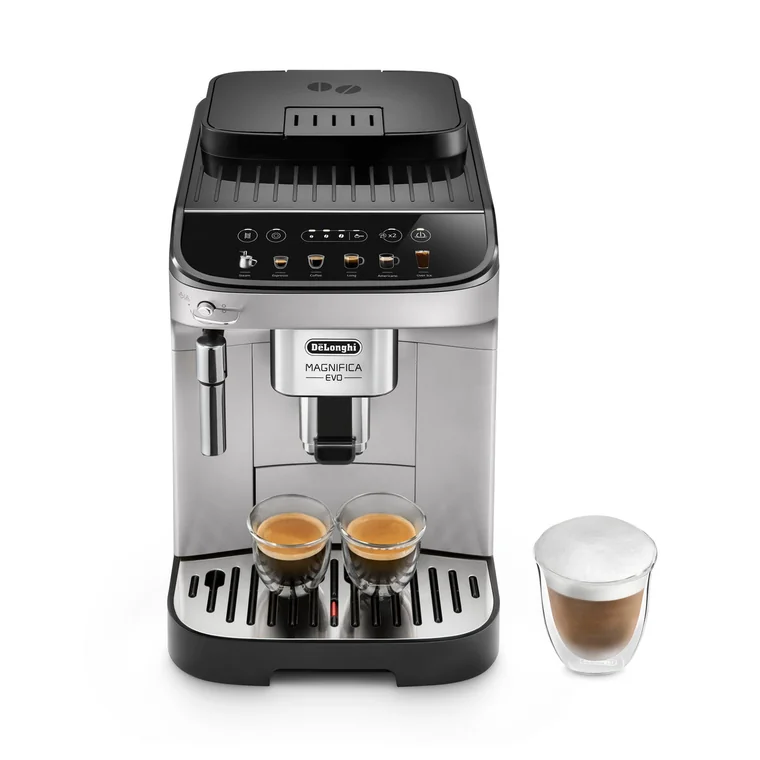
Before you spend a dime, here is the pitch in plain terms. A super-automatic, also called a bean-to-cup, is not the machine I reach for when I want the best shot in my own kitchen. It is the machine I recommend to my sister, who has two kids, leaves for work at 7am, and wants a real cappuccino without thinking about grind size, dose, or tamping. That is the whole appeal, and it is a strong one. You press a button, the machine grinds, doses, tamps, brews, and depending on the model froths the milk. No skill required, no learning curve, no morning fuss.
The convenience costs you something, and that something is quality and control. A super-auto will never pull a shot as good as a tuned semi-automatic in capable hands, and spending more inside this category does not change that. But when nobody in the house wants to learn the craft, a good bean-to-cup delivers a reliable cappuccino every morning while a fancier machine sits there demanding skill you do not have. My top pick is the De'Longhi Magnifica Evo at around $700, and below I walk through why it wins, where these machines shine, and where you should walk away.
My top pick: the De'Longhi Magnifica Evo
At around $700, the De'Longhi Magnifica Evo (model ECAM29043SB) is the bean-to-cup I point most people toward. It hits the sweet spot where the price is reasonable, the build is solid, and the daily experience is genuinely good. It carries an integrated conical burr grinder with 13 grind settings, six one-touch beverages (espresso, coffee, latte, latte macchiato, cappuccino, and hot water), and it remembers the strength and volume you set for each drink.
One detail on this exact model deserves a flag: it uses a manual milk frother rather than an automatic carafe. You steam the milk yourself with a wand, the way you would on a real machine. People treat that as a downside, but I count it as a plus. The fully automatic carafes on pricier bean-to-cups are a chore to clean and they tend to throw thin, airy foam. A manual frother gives you better milk and a little barista satisfaction, and it is one less plastic part breeding bacteria in your fridge. Microfoam latte art is off the table here, but for a solid morning cappuccino it does the job.
Where the Magnifica Evo earns its keep is consistency with zero fuss. The grinder doses fresh whole beans into every cup, so you are never brewing from stale pre-ground coffee. That built-in grinder is exactly what removes the most common flavor mistake new buyers make, and the 13 settings give you room to dial lighter or darker roasts, more adjustment than most bean-to-cups offer in this band (if you want the full reasoning, see how grind size shapes the shot). You fill the hopper, fill the tank, press a button, and walk away. For a busy household, that reliability outweighs the last 10 percent of flavor a semi-auto would squeeze out. Check current pricing through De'Longhi or compare at Whole Latte Love, and read my full De'Longhi Magnifica Evo review for the long version.
What super-automatics actually do well
This category deserves real credit, because an espresso snob will dismiss it on reflex. Here is what bean-to-cup machines genuinely nail.
- Speed and zero technique. Cold beans to a cup in your hand is one button and under a minute of your attention. Nobody has to learn to tamp, time a shot, or read a pressure gauge. That matters in a house where four people make coffee at four different skill levels.
- Fresh grinding, every cup. The integrated grinder means you are always brewing freshly ground beans, the single biggest flavor upgrade most people are missing. Plenty of buyers comparing machines overlook how much the grinder drives the result.
- Consistency. The machine doses and tamps the same way every time. A beginner on a semi-auto pulls a wildly different shot on Monday than on Friday. A super-auto erases that variable.
- Family-proof operation. One-touch latte and cappuccino buttons let your teenager or your visiting parents make their own drink without a tutorial.
That is my sister with two kids and a 7am train, and the Evo is the right machine for her.
The honest limits versus a semi-automatic
Now the ceiling. A super-automatic can only go so far, and spending more does not lift that ceiling the way you would expect.
Start with espresso quality. Even the best bean-to-cup pulls a softer, flatter shot than a well-dialed semi-automatic. The machine grinds, doses, and tamps to a fixed program, so it cannot adapt to the specific bean, the day's humidity, or your taste the way a person can. You forfeit the puck prep that produces a really textured, syrupy shot. For most people that trade lands fine. For anyone chasing the cafe-quality shot, it is a wall you hit fast.
Control is the second limit. On a semi-auto you choose your grind, your dose, your tamp, your shot time, and your milk texture, and a super-auto hands all of it to a computer. That is the whole reason these machines exist, not a flaw to apologize for: they are built for people who want good coffee and never want to fiddle, while a semi-auto is built for people who want the best coffee and enjoy the fiddling itself. I lay out that split in full in my semi-automatic versus super-automatic breakdown.
Repair and lifespan round it out. Super-automatics pack a grinder, a brew group, pumps, and electronics into one sealed unit. More moving parts means more potential failure points, and they are harder to service at home than a simple machine like a Gaggia or a Rancilio. They are not flimsy, but a stripped-down semi-auto built like a tank usually outlasts them. If you are still mapping the landscape, the espresso machine types guide lays out every category.
Super-automatics compared at a glance
Here is how the bean-to-cup option stacks up against the semi-automatic machines people most often cross-shop. The semi-autos below do not include a grinder, so a $450 Gaggia is really closer to $700 once you add a decent burr grinder (see the full cost breakdown for the real setup math).
| Machine | Type | Approx. price | Grinder | Milk | Best for |
|---|---|---|---|---|---|
| De'Longhi Magnifica Evo | Super-automatic | $700 | Built in, 13 settings | Manual frother | One-touch convenience, busy homes |
| Breville Barista Express | Semi-automatic | $700 | Built in, 16 settings | Manual steam wand | Beginners who want to learn |
| Breville Barista Pro | Semi-automatic | $900 | Built in, 30 settings | Manual steam wand | Faster heat-up, finer grind control |
| Gaggia Classic Pro | Semi-automatic | $450 | None (buy separately) | Manual steam wand | Value and modding |
Notice that the Magnifica Evo and the Breville Barista Express both land around $700, yet they answer different questions. The De'Longhi says "I never want to think about it." The Breville says "I want to learn, and I am willing to." Neither is wrong. Pick the one that matches who you actually are at 7am.
Who should buy one, and who should skip it
A super-automatic is the right call when you want a good latte or cappuccino fast, you value freshly ground beans over the absolute peak of espresso quality, and nobody in the house wants a hobby. It is also the upgrade I would push if you are coming off pods or drip and the idea of tamping and timing a shot already makes you tired. The Magnifica Evo is the machine I would put in that kitchen.
Want the best shot you can pull, find the process interesting rather than annoying, or have latte art on your list? Then a super-auto will frustrate you, and you want a semi-automatic with a separate grinder instead. A great starting point is the best espresso machine for beginners, which leans toward the all-in-one Breville machines that let you learn without sourcing a separate grinder on day one. A super-auto, by contrast, solves the grinder problem and the technique problem for you in one sealed box, and for the person who wants coffee rather than a craft, that is exactly why it is worth the money.
Compare our tested top picks side by side, with real specs, photos and honest pros and cons.
Independent and reader-supported. Some links in our reviews are affiliate links that never change our rankings. How we test.
Frequently asked questions
Is a super-automatic espresso machine worth it?
It is worth it if you want good coffee with zero effort. You get freshly ground beans and one-touch lattes without learning to pull a shot. The trade is that you give up the top end of espresso quality and the control a semi-automatic offers. For a busy household that values convenience over craft, it earns its price.
Why is the De'Longhi Magnifica Evo the top pick?
At around $700 it balances price, build, and daily experience better than its rivals. It carries a 13-setting conical burr grinder, six one-touch drinks, and adjustable strength and volume. This model uses a manual milk frother, which actually produces better milk than the automatic carafes on pricier machines and is far easier to keep clean.
Can a super-automatic make espresso as good as a semi-automatic?
No. A bean-to-cup machine grinds, doses, and tamps to a fixed program, so it cannot adapt to the bean or your taste the way a person can on a semi-automatic. You get convenient, consistent coffee, but the textured, syrupy cafe-style shot lives on the semi-auto side. For most people the trade is fair.
Does a super-automatic include a grinder?
Yes, that is a core feature. The De'Longhi Magnifica Evo has an integrated conical burr grinder, so it grinds fresh whole beans into every cup. That built-in grinder is one of the biggest reasons these machines beat pods on flavor, and it means you do not need to budget for a separate grinder the way you would with a Gaggia or Rancilio.
What is the difference between the Magnifica Evo and the Breville Barista Express?
Both cost around $700 but answer different questions. The Magnifica Evo is a super-automatic for people who never want to dial anything in. The Barista Express is a semi-automatic for people who want to learn the craft and steam their own milk. Pick the De'Longhi for convenience, the Breville if you find the process enjoyable.
I pulled shots behind a bar for years and now obsess over home espresso. I own and tear down these machines and write every review and guide here. I rank by what makes good coffee, not by who pays the most. How we test →